
Physical AI
Most enterprise AI reads documents. Physical AI watches the line, the floor and the machine — and acts on what it sees.
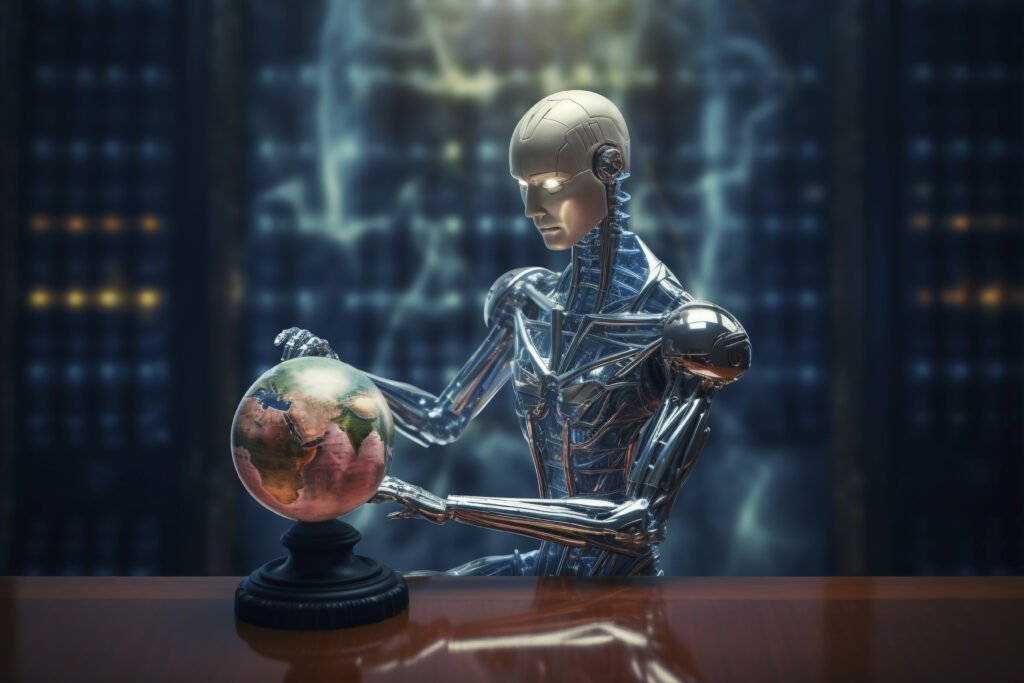
AI That Perceives and Acts in the Physical World
Software automation stops at the screen. Physical AI extends it into the environment your business actually operates in — production lines, warehouses, clinics and sites. Cameras and sensors feed real-time vision models that detect, classify and measure, and robots act on what those models see.
Vision-language models have changed what is possible here. Earlier systems needed a fixed list of defect classes and retraining whenever something new appeared. Today’s models can be prompted in natural language and flag conditions they were never explicitly trained on.
What We Build
-
Automated visual quality inspection:
Real-time defect detection and classification on the production line, consistent across every shift, with a permanent record of every unit examined. -
Collaborative robot cells:
Vision-guided cobots that inspect, pick and place parts and tend machines, adapting to part position instead of fixed jigs so lines handle changes without re-tooling. -
Humanoid and legged platforms:
Mobile robots that walk a technician's inspection route — reading gauges, capturing thermal and acoustic signatures, and entering hazardous areas you would rather not send a person into.

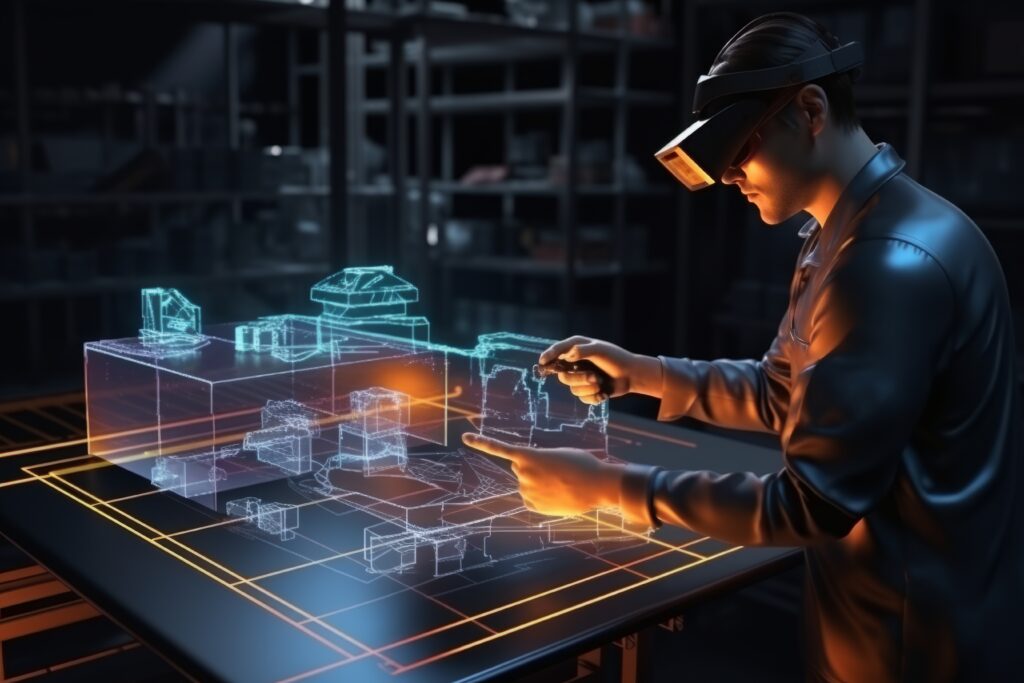
Proven in Simulation, Deployed on Your Infrastructure
We build and train the models and the robot cell in simulation first, in our lab. A digital twin of your line runs thousands of cycles and edge cases before any hardware moves, so what arrives on your floor is already proven. Commissioning that would take months on a live line finishes in weeks.
- Proven in simulation — cycles and edge cases run in the lab before hardware is touched
- Runs at the edge — video, sensor and robot telemetry stay inside your facility
- GPU accelerated — NVIDIA acceleration on HPE hardware, sized to your workload
- Integrates with what you run — PLC, MES, SCADA, ERP, alerting and ticketing
- Closes the loop — a detection halts a machine or raises a work order, not a dashboard
The Hardware We Deploy On
The intelligence is ours; the chassis is chosen to fit the job. We work directly with robot manufacturers, so a cell is specified, simulated and commissioned as one system rather than assembled from parts that were never designed to work together.
Collaborative robots — Fairino
Our cobot platform for inspection cells, pick-and-place and machine tending. Arms are modelled in the digital twin before procurement, so reach, cycle time and collisions are settled before anything is bought.
Humanoid and quadruped robots — Unitree
Our platform for legged and humanoid robots on inspection rounds and hazardous-area patrol, carrying our perception models and autonomy layer on top of the manufacturer’s chassis.
Platform choice follows your site, your duty cycle and your procurement rules. Where a jurisdiction or a tender requires specific certified hardware, we deploy our models on the platform that qualifies.

Why Physical and Digital Automation Belong Together
A defect detected on the line is only useful if something happens next. Because our vision models, our robots and our process automation share one platform, an event observed in the physical world moves straight into the systems that respond to it.
Quality management, maintenance scheduling, supplier notification and regulatory reporting all update without anyone retyping anything. Detection is the easy part; acting on it is where the return on physical AI is actually realised.