

What we have built for manufacturers
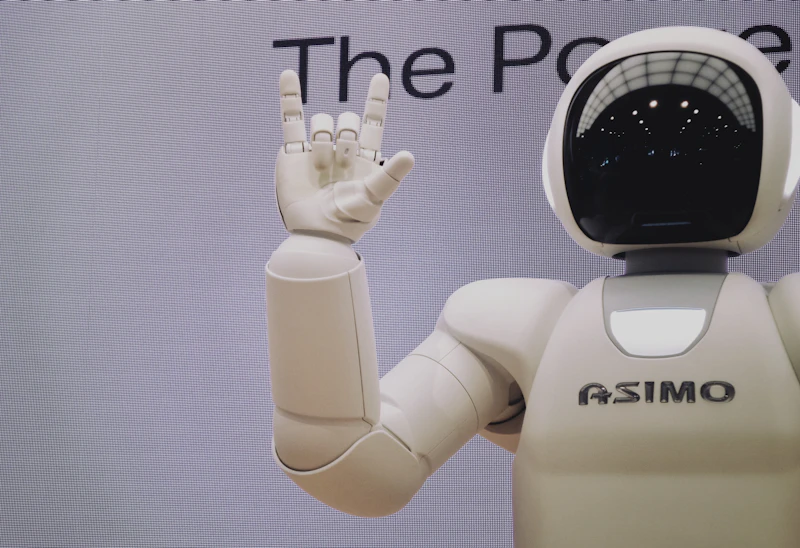
Autonomous Cobot Visual Inspection
The problem
Manual quality inspection is slow, subjective and inconsistent across operators. Deploying a robotic inspection cell traditionally means months of risky on-hardware programming, so automation stalls before it ever reaches the line.
How we solve it
A vision-guided robotic inspection cell is validated in simulation first, then deployed to real hardware for automated defect detection. You get consistent inspection, far faster commissioning, and a repeatable cell template to replicate across stations.
Who it is for
Plant Manager · Head of Quality · Automation Engineer · Operations Director

Vision-Guided Robotic Pick-and-Place
The problem
Repetitive part loading, sorting and machine tending is labour-intensive and hard to staff consistently. Traditional robot programming is rigid and relies on fixed jigs, so lines cannot adapt when parts change.
How we solve it
A vision-guided cobot identifies, picks and places parts using depth perception, adapting to part position instead of fixed jigs, and is validated in simulation before deployment. Operators are freed from repetitive handling and commissioning is fast.
Who it is for
Plant Manager · Automation Engineer · Production Line Supervisor · Operations Director
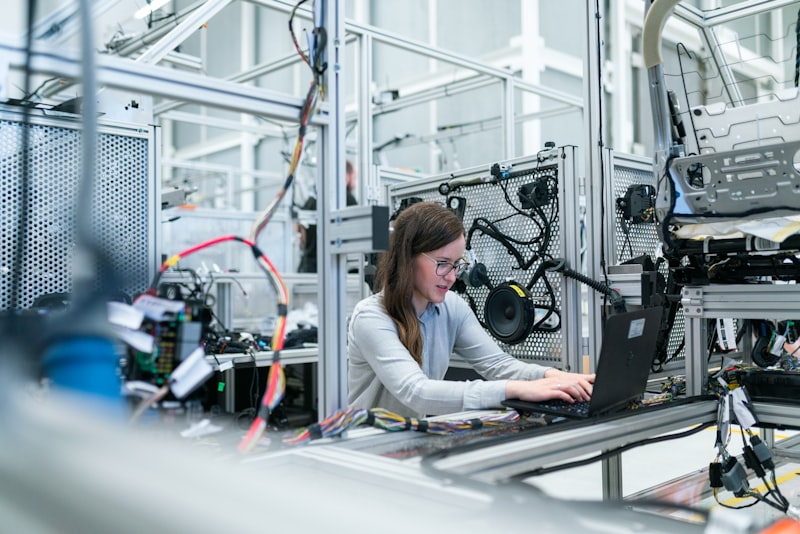
PPE and Safety-Compliance Vision Monitoring with PLC Integration
The problem
Manual floor checks for protective equipment and unsafe conditions are inconsistent and reactive. Even when a hazard is spotted, stopping the machine depends on a person reacting in time, so incidents are caught too late.
How we solve it
Real-time vision detects PPE breaches and unsafe conditions, triggers instant alerts with logged evidence, and integrates with the plant PLC to halt or interlock the machine automatically. Safety moves from reactive to proactive, with records kept on site.
Who it is for
EHS and Safety Manager · Plant Manager · Operations Director · Compliance Lead
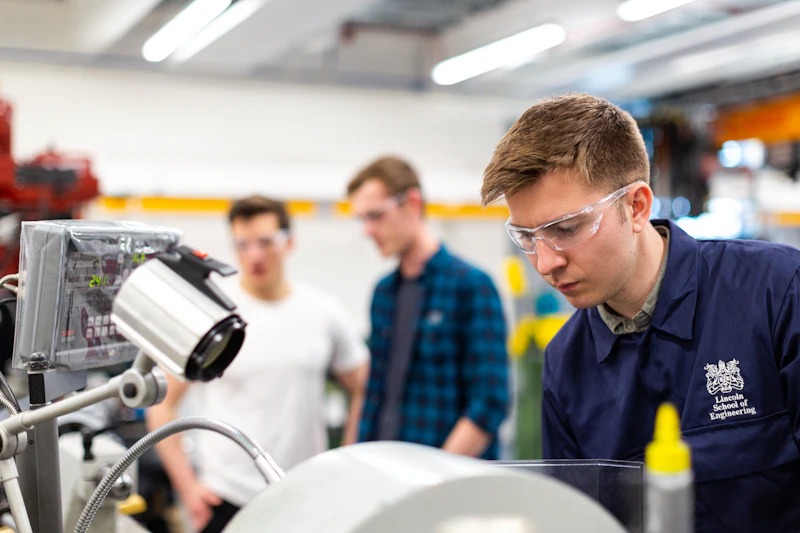
CAD-to-Cost Estimation Agent
The problem
Cost estimation from engineering drawings is manual and expert-dependent. Engineers interpret CAD files, look up materials and processes, and build quotes by hand, making estimates slow, inconsistent and a bottleneck for sales and design.
How we solve it
An agent reads CAD designs, extracts geometry, materials and features, and generates costed estimates from process and material rules. You get fast, consistent should-cost estimates, quicker quoting, and design-for-cost feedback far earlier.
Who it is for
Design Engineer · Cost Estimator · Procurement Lead · Sales Engineering Head

Predictive Maintenance and Asset Health Agent
The problem
Unplanned equipment failures cause costly downtime, while time-based maintenance wastes effort on healthy assets. Teams react to breakdowns instead of anticipating them, and sensor data sits unused across the plant.
How we solve it
The platform analyses sensor and machine data to detect anomalies, predict failures and recommend maintenance before breakdowns occur. You reduce unplanned downtime, extend asset life, and move from reactive to condition-based maintenance.
Who it is for
Maintenance Manager · Reliability Engineer · Plant Manager · Operations Director